South Korea Halts Crypto Lending as Market Leverage Sparks Regulatory Concern
News Summary
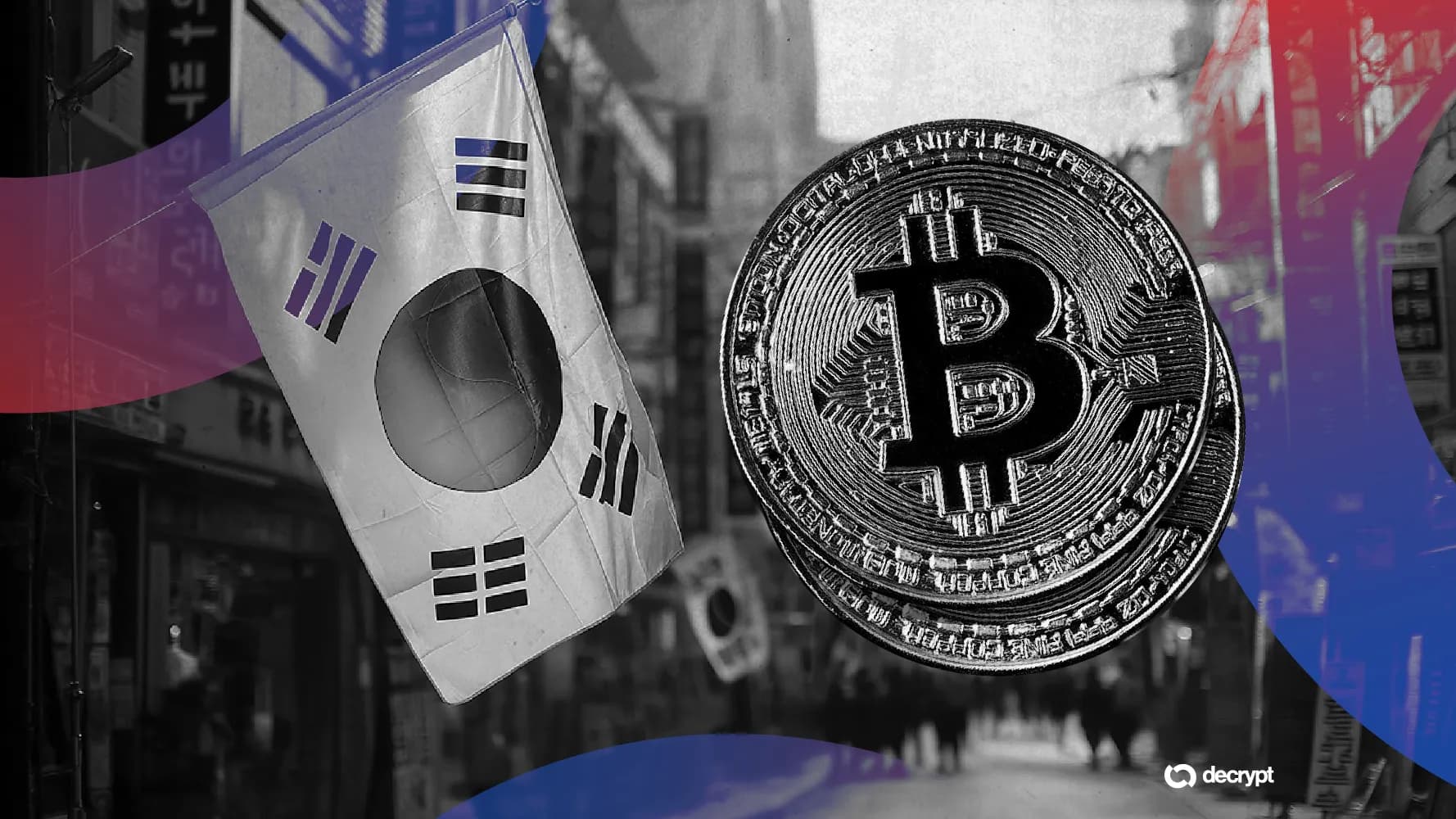
South Korea has temporarily suspended new crypto lending services following a major liquidation event at the Bithumb exchange, which resulted in thousands of users incurring losses. The move aims to provide more adequate user protection and ensure healthy trading order until formal "Virtual Asset Rental Service Guidelines" are prepared. This regulatory action reflects growing global concerns over the accumulation of excessive leverage in the crypto market. Reports indicate that the total value of crypto-collateralized borrows has reached an all-time high, and daily liquidations remain elevated, signaling increased market fragility. While this pauses new services, analysts suggest it's not a permanent ban but rather the government acknowledging insufficient regulatory clarity and working to establish clear rules of the road for better investor protection.
Background
South Korea's Financial Services Commission (FSC) temporarily suspended new crypto lending services in direct response to a major liquidation event at local exchange Bithumb. This incident saw 13% of Bithumb's 27,000 lending users forced into liquidation, highlighting insufficient user protection mechanisms. This move comes amidst a global trend of escalating leverage in the cryptocurrency market. A Galaxy Digital report indicates that the combined value of outstanding crypto-collateralized borrows has reached an all-time high of $44.25 billion, a nearly 30% increase quarter-over-quarter. On-chain lending grew by 42%, while centralized platform borrows expanded by 14.66%. Bitfinex analysts note that average daily liquidations have exceeded $350 million over the past 30 days, with over $3 billion worth of positions liquidated in August alone, largely from short sellers. This build-up of leverage, particularly in the altcoin segment, suggests the market is entering a more fragile phase with heightened liquidation risks.
In-Depth AI Insights
What are the true motives behind South Korea's move? Beyond user protection, are there deeper strategic considerations? - While user protection is the stated reason, a deeper motive lies in safeguarding financial stability and national financial reputation. Unregulated high leverage in crypto markets can introduce systemic risks, especially amidst increasing global economic uncertainty, prompting governments worldwide to tighten oversight on high-risk financial activities. - Furthermore, South Korea may be observing and guiding the industry's direction, aiming to prevent its local market from becoming a hotbed for high-risk speculation and laying the groundwork for a more mature, controlled digital asset market in the future. This 'pause-and-legislate' model also offers a regulatory blueprint for other nations. Given the stance of the current Trump administration in the US, and the progress of regulations like MiCA in Europe, how will global cryptocurrency regulation evolve? - A global trend towards stricter regulation is irreversible. While the Trump administration might favor market freedom, financial stability and investor protection remain cornerstones of its governance. In the face of major liquidation events and consumer losses, even a 'deregulation-leaning' government would find it difficult to stand idly by. - The advent and implementation of Europe's MiCA regulation set a benchmark globally, and other regions are highly likely to draw upon its framework, especially concerning stablecoins, licensing for crypto-asset service providers, and market abuse supervision. - Over the next few years, major jurisdictions are expected to gradually converge on a regulatory framework emphasizing transparency, risk management, and consumer protection, potentially leading to the exit or strict limitation of high-leverage, high-risk products from the market. What does this pause mean for the long-term investment landscape of the cryptocurrency market? Is it a negative or a positive? - In the short term, the market may face pressure from tighter liquidity and restricted speculative activity, particularly for assets or platforms reliant on high-leverage trading, potentially leading to price corrections and decreased trading volumes. - In the long term, this is a crucial step for the cryptocurrency market to mature and develop sustainably. Clear regulatory rules will boost institutional investor confidence and attract more traditional financial capital, thereby enhancing the market's legitimacy and stability. - It helps in weeding out subpar participants and high-risk products, fostering a healthier ecosystem that creates a fairer competitive environment for projects with genuine innovation and technological strength. For long-term investors, this 'deleveraging' and 'standardization' is a necessary pain, ultimately leading to a more robust investment environment.